
Uncategorized
15 Tips for Successfully Integrating Powerwall 3 with Solar Installations
Integrating Tesla’s Powerwall 3 with your solar installation can be a game-changer for optimizing energy efficiency and storage. This guide…
January 13, 2026Roofing issues can be a significant concern for homeowners, especially when discovered during a home inspection. If you reside in Mill Creek, WA, being aware of potential roofing problems can save you from unexpected repairs. Let’s explore some common roofing issues that home inspectors frequently encounter.
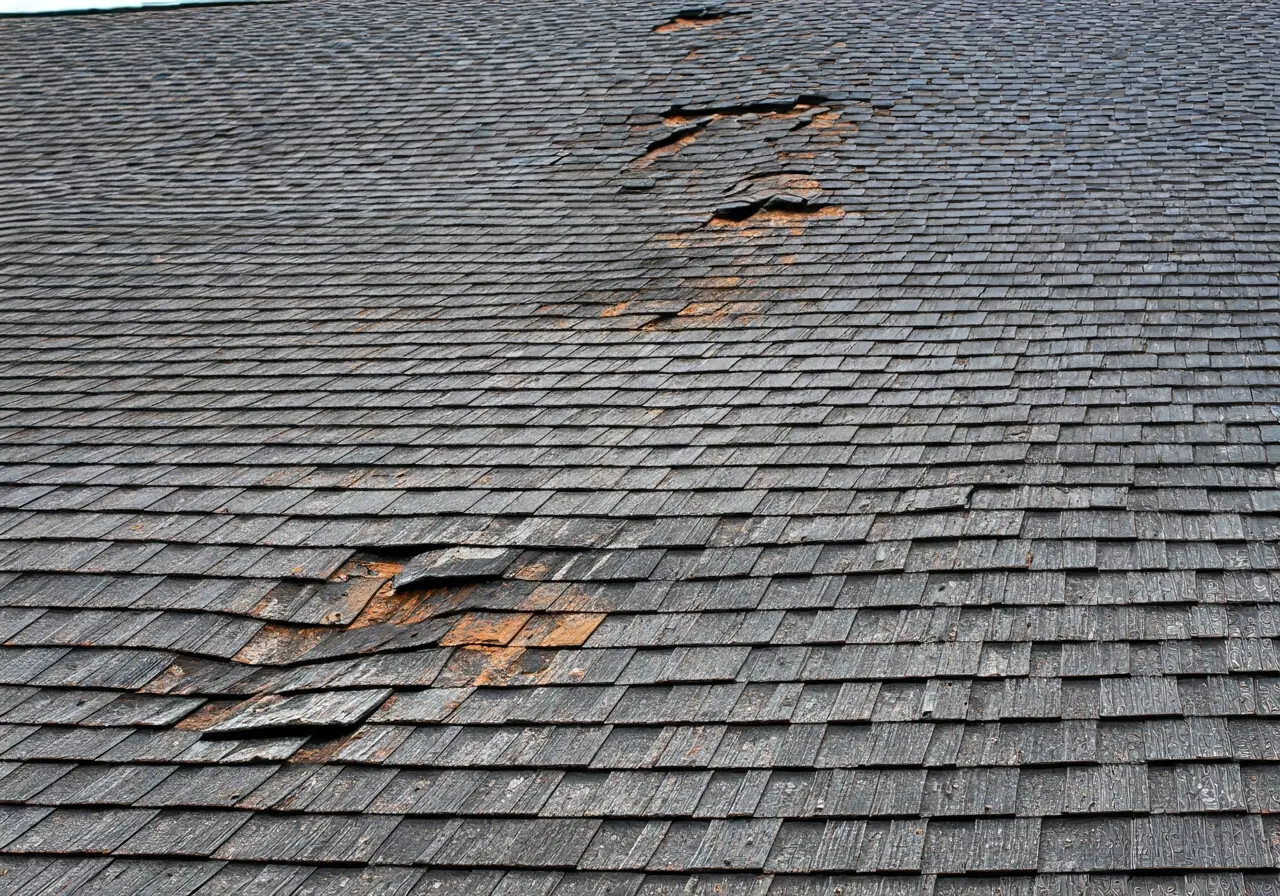
Shingles are your roof’s primary defense against the elements, and any damage or loss can lead to further structural issues. Inspectors often find cracked, curled, or missing shingles during home inspections. The harsh weather conditions in Mill Creek, WA, can exacerbate these issues, as rain and wind can easily loosen or remove shingles. It’s essential to address these problems promptly, as they can result in leaks and other significative structural damages. Regular maintenance checks can now help spot issues before they escalate, saving homeowners considerable repair costs later on. Utilizing weather-resistant shingles might also be a strategic preventative approach, prolonging the shingle life despite the challenging weather.
One might wonder why shingles age so poorly in certain conditions. The answer lies in the materials’ exposure to ultraviolet rays and temperature fluctuations, which can cause them to deteriorate prematurely. Frequently, these issues go unnoticed until a professional inspection uncovers them. By being proactive, Mill Creek homeowners can keep their roofs in exemplary condition, thereby ensuring their home’s longevity.
Adequate ventilation is crucial to prevent heat and moisture buildup, which can degrade roofing materials over time. Many homes suffer from poor ventilation, leading to issues like mold growth and increased energy bills. But how does one know if their home is adequately ventilated? A simple way to assess this is by checking the attic space in varying climate conditions. If the attic feels excessively warm during the summer or overly cold in the winter, these might be signals of poor ventilation. Addressing ventilation issues not only protects your roof but also enhances the overall energy efficiency of your home.
Additionally, proper ventilation systems can contribute significantly to extending the lifespan of your roof. In the moist climate of Mill Creek, WA, ensuring that the roof structure can ‘breathe’ is particularly important as it helps prevent moisture accumulation that can lead to the formation of mold. As mold can be a serious health hazard, ventilating your roof appropriately to prevent such growth becomes even more critical. Investing in this aspect of roof care is prudent and can save homeowners significant distress and costs in the long run.
Leaks are a common issue detected during inspections, often originating from deteriorated flashing or sealant. Early detection is vital to prevent water damage to the interior of the home. Homeowners should also be aware of the telltale signs of leaks, such as water stains on ceilings or walls and peeling paint. It’s wise to conduct routine inspections, especially during the rainy season common in Mill Creek, WA, where excessive moisture can quickly exacerbate leaks.
There are advanced methods available to homeowners that provide further protection against leaks, such as applying high-quality sealant products to vulnerable roof areas. These modern solutions provide a robust layer of defense, making roofs more resistant to water infiltration. Nevertheless, when dealing with leaks, approaching a professional roofer for advice and implementation is always recommended to ensure the best outcomes and preserve the integrity of your home’s structure.
Though gutters may seem unrelated to roofing, clogged ones can lead to water backup and eventual roof damage. Regular cleaning can help avoid these problems and preserve the roof’s condition. In Mill Creek’s wetter months, such maintenance is particularly crucial, as rainfall can quickly overwhelm unmaintained gutters, leading to significant overflow.
A strategic approach to preventing clogged gutters is the implementation of gutter guards or similar systems that reduce the frequency of cleaning required. Using such protective measures ensures free flow and minimizes the risk of blockage, thereby extending not just the life of the gutters, but also the roof and foundation that rely on them. Homeowners who adopt these preventative measures can enjoy peace of mind knowing that the detrimental effects of gutter-related water damage are significantly mitigated.
A visibly sagging roof often indicates structural issues. It can result from poor installation, the weight of heavy snowfall, or prolonged water damage. Inspectors will check the roof structure for signs of sagging or deterioration. In Mill Creek, WA, the climate necessitates special attention to how rain and moisture affect the roof over time. A sagging roof may not always lead to immediate disaster, but it is a red flag that should not be ignored.
There are measures homeowners can take when signs of sagging appear, such as reinforcing structural beams or consulting with a structural engineer to assess the weight capacity of the roof. Additionally, early intervention can prevent extensive repairs down the line. In many cases, reinforcing the affected areas or removing snow and ice accumulations in winter can substantially alleviate the impact.
Flashing is used to seal and protect the joints and edges of the roof. Over time, it can corrode or detach, especially in areas with severe weather conditions. Damaged flashing can lead to leaks and further roof damage. In Mill Creek, where weather can be unpredictable, securing the flashing is crucial to prevent water entry.
Regularly checking for signs of damage or corrosion in your roof flashing can prevent small issues from becoming costly repairs. By ensuring that these integral components are in good condition, homeowners can protect the roof’s most vulnerable points. Taking the time to reinforce and seal these areas effectively goes a long way in maintaining the roof’s integrity in the damp and challenging Pacific Northwest climate.
In the damp climate of Mill Creek, it’s not uncommon for moss and algae to grow on roofs. While they may seem harmless, they can trap moisture and cause shingle damage or roof degradation over time. The unwelcome greenery retains moisture, encouraging the rotting of underlying materials, which inevitably compromises structural integrity and adversely affects the roof’s lifespan.
Preventative measures against moss and algae are vital to avoid these potential damages. Applying specifically designed chemical solutions or installing copper or zinc strips on the roof can deter these growths. Such additions naturally repel new moss and algae, offering long-lasting protection. However, if infestations persist, it’s prudent for homeowners to engage professional cleaning services to tackle the issue before any permanent damage sets in.
Integrating Tesla’s Powerwall 3 with your solar installation can be a game-changer for optimizing energy efficiency and storage. This guide…
January 13, 2026This is a project in Renton where the owner wanted to increase the ventilation on his low slope roof. In…
January 16, 2015When it comes to maintaining the integrity and longevity of your home, roof maintenance plays a crucial role. For Lynnwood…
September 19, 2024