
7 Steps to Ensure Your CertainTeed Presidential Shingles Last a Lifetime
When investing in CertainTeed Presidential Shingles, you’re choosing both aesthetic appeal and unparalleled durability for your home. To ensure these shingles continue to protect and enhance your roof for the longest possible lifespan, it’s essential to follow a few critical maintenance and care steps. This guide will walk you through everything you need to know.
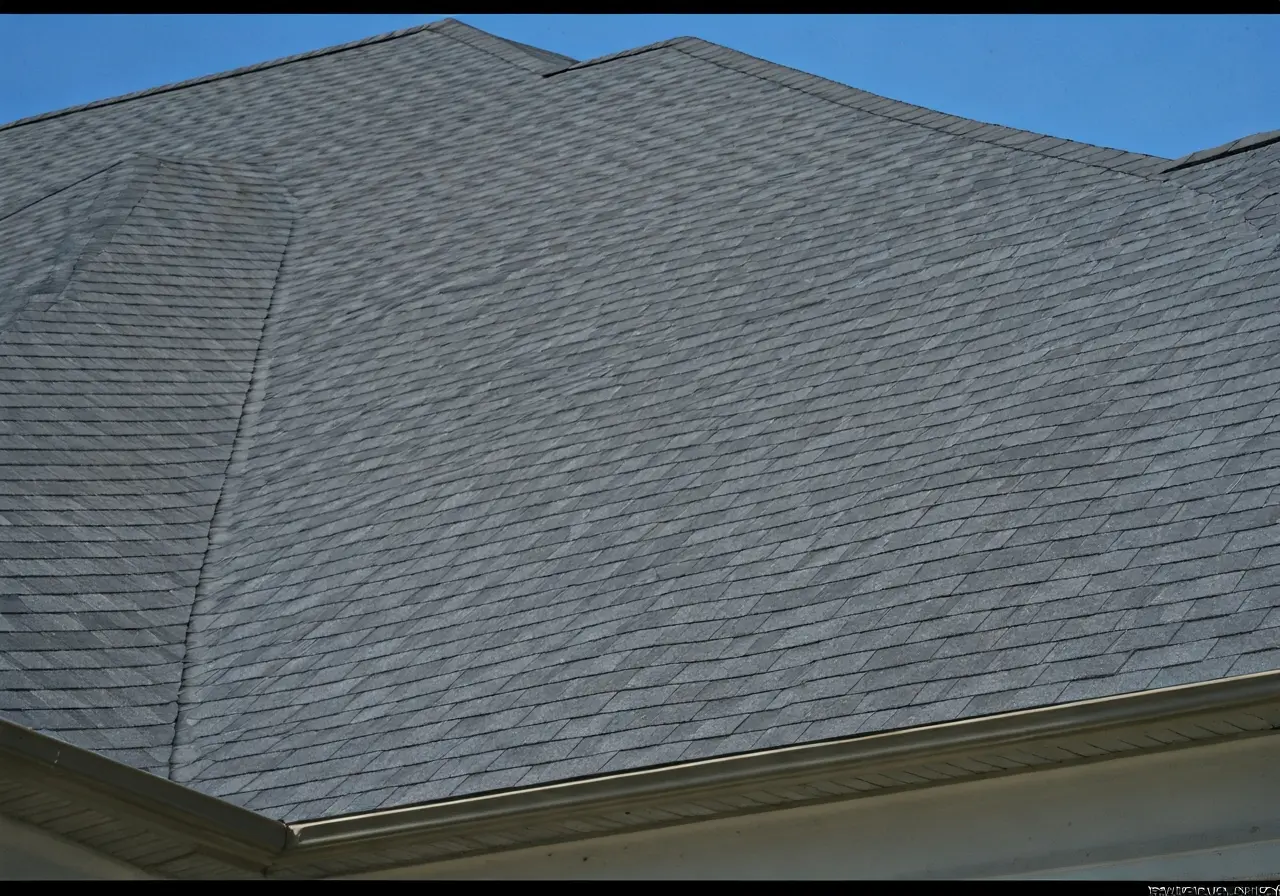
1. Understanding the Basics of Presidential Shingles
CertainTeed Presidential Shingles are known for their aesthetic appeal and durability. Understanding their composition and design is the first step in ensuring their longevity.
Presidential shingles are often celebrated for their distinctive design that mimics wood shake shingles, offering an upscale look without the high maintenance associated with natural wood. This architectural shingle type is crafted using multiple layers of materials, providing both enhanced durability and rich, deep shadow lines. Such design intricacies not only enhance curb appeal but also offer superior protection against the elements.
Another key feature of these shingles is their long-standing performance, which has made them a popular choice for homeowners looking to combine elegance with durability. The shingle’s fiberglass base is coated with weather-resistant asphalt and topped with mineral granules, which not only give them their color but also add a protective barrier. These minerals help deflect damaging UV rays and resist algae growth, preserving the shingles’ appearance over time.
2. Proper Installation Techniques
The long-term performance of your shingles starts with proper installation. Ensuring a professional and thorough installation can prevent common problems down the road.
Proper installation is critical to the longevity of your roofing system. It begins with a solid foundation, which entails inspecting and preparing the roof deck. A suitable underlayment is necessary, providing a secondary water barrier and aiding in moisture control. Using the right kind of nails and ensuring correct nail placement is equally crucial to prevent wind uplift issues.
Additionally, it’s important to focus on weather conditions during installation. Shingles should be installed when the temperature is moderate — too cold, and they become brittle; too hot, and they can become overly flexible. Both conditions can lead to improper fitting or potential damage. Professional installation teams are trained to navigate these intricacies, ensuring the shingles are secured correctly and are ready to perform their best.
3. Regular Roof Inspections
Conducting regular inspections helps identify potential issues before they escalate. Learn what signs to look for and how often to inspect your roof.
Regular roof inspections can significantly mitigate risks of costly repairs in the future. Ideally, homeowners should schedule inspections twice a year, in spring and fall. These inspections focus on identifying potential problems such as missing or damaged shingles, granule loss, and flashing deterioration. During an inspection, it’s also smart to check the gutters for shingle granules, which can indicate wear source.
Another element to consider is examining the attic space. Improving attic ventilation can prevent condensation build-up. During inspections, paying attention to attic moisture levels or any signs of leaks can prevent mold growth and structural damage. These thorough examinations should be conducted by professionals, who have the expertise to spot even subtle signs of trouble that an untrained eye might miss.
4. Routine Cleaning and Debris Removal
Keeping your roof clean from leaves, branches, and other debris is crucial. It prevents damage and maintains the effectiveness of your shingles.
Debris accumulation on the roof can lead to trapped moisture, which encourages the growth of moss and algae and can accelerate shingle decay. Regular cleaning, especially after storms, prevents moisture retention and facilitates proper drainage. Using a roof rake or a blower to clear light debris is effective, but for stubborn messes, professional cleaning is recommended.
The gutters play a critical role in water drainage from your roof. Clogged gutters can lead to overflow, which might seep beneath shingles, leading to rot or damage. By clearing your gutters regularly, you not only avoid these problems but also reduce the risk of ice dam formation in colder climates, thus maintaining the integrity of your roof system.
5. Addressing Repairs Promptly
Even minor damage can lead to bigger problems if not addressed. Learn how to handle simple repairs and when to call a professional.
The key to maintaining your roof’s longevity is addressing repairs promptly — before they escalate. For instance, replacing a missing shingle can prevent water infiltration that might otherwise lead to broader structural issues source. It’s advisable to keep an eye out for signs such as curled, cracked, or blistering shingles.
In some scenarios, a simple DIY approach can handle minor repairs, like replacing a loose shingle or realigning it, but more extensive damage will require professional intervention. A trusted roofer can assess the situation and recommend solutions, ensuring repairs are done correctly and efficiently, thus avoiding future complications or need for complete roof replacement.
6. Ensuring Proper Ventilation
Adequate ventilation is essential to prevent moisture build-up that can damage your shingles. Understand the importance of a well-ventilated attic.
Proper ventilation enhances the performance of your shingles by reducing moisture accumulation and preventing heat build-up in the attic. Ventilation systems work by allowing excess heat to escape and drawing in cooler air to regulate temperature. This process not only extends the life of the shingles but also contributes to energy efficiency by reducing cooling requirements in hotter months.
An often overlooked benefit of good ventilation includes preventing the formation of ice dams, which can occur when warm air from the attic melts the snow on the roof’s surface, causing it to refreeze at the eaves. This can lead to water backing up under the shingles, potentially causing damage. Ensuring your attic is properly ventilated is key to avoiding these issues, particularly in regions subject to heavy snowfall.
7. Weatherproofing and Seasonal Maintenance
Prepping your roof for different seasons can prevent weather-related damage. Find out what steps to take each season to protect your shingles.
Weather variations put different demands on your roof, necessitating seasonal care strategies to maintain the optimal condition of your shingles. For example, late summer and early fall are ideal times to apply a roof sealant, which provides an extra layer of protection against moisture incurred from heavy rains or snow source.
In winter, special attention should be given to snow removal to prevent the weight from damaging the roof structure. Using appropriate tools, like a snow rake, can help safely remove excess snow without damaging the shingles underneath. Transitions between seasons also serve as perfect check-in times for the overall health of your roofing system, and any necessary adjustments should align with predicted weather conditions to ensure ongoing protection.
Queen Anne Seattle Solar Installation | Pinnacle Roofing
Seattle, WA