
15 Tips for Successfully Integrating Powerwall 3 with Solar Installations
Integrating Tesla’s Powerwall 3 with your solar installation can be a game-changer for optimizing energy efficiency and storage. This guide will provide you with handy tips to ensure a smooth and successful integration.
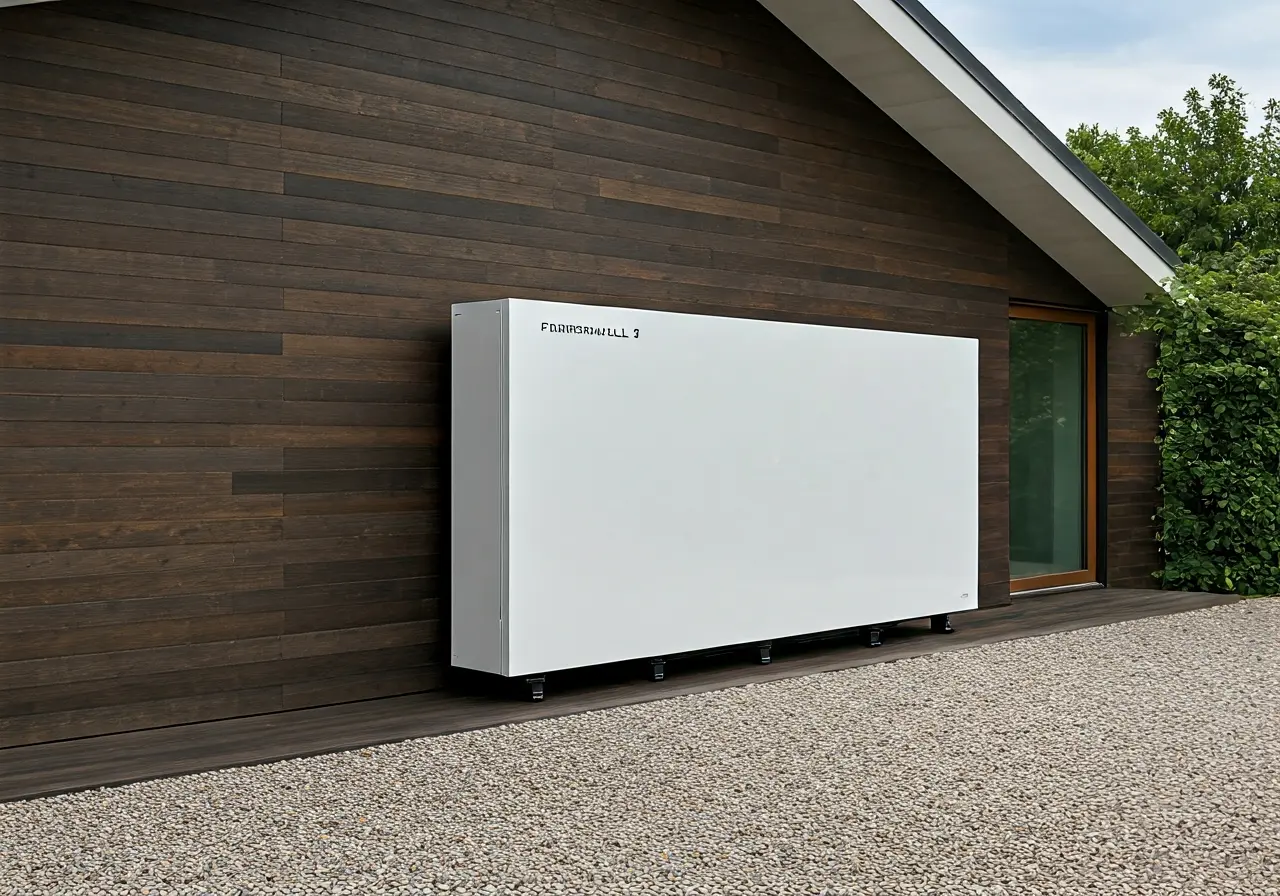
1. Understanding Your Energy Needs
Start by evaluating how much energy your household typically consumes. Knowing this ensures you select the right-sized Powerwall 3 for your needs.
Incorporating a thorough home energy audit can be invaluable. This process will provide you with detailed insights into your energy consumption patterns, helping you identify areas to improve efficiency. With this information, you’ll have a clearer picture of how the Powerwall 3 can complement your solar installation to meet your specific energy requirements.
Don’t forget to consider possible future changes in energy consumption. If you’re planning to expand your household or add energy-consuming appliances, factor these into your calculations as well. By foreseeing these changes, you can choose a system that not only fits your current lifestyle but also remains beneficial in the long term.
2. Choosing the Right Location
Location is key when installing the Powerwall 3. Find a place that’s easy to access and well-ventilated, away from direct sunlight.
The ideal spot for your Powerwall 3 is also one where you can easily connect it to your home’s electrical system and solar panel setup. This means considering the proximity to these systems for minimal installation challenges and maximal efficiency. Moreover, installing it in a shaded area, but not in a damp location, will prolong its lifespan and ensure optimal operation.
3. Maximizing Solar Energy
Utilize your solar panels effectively during peak sun hours. This ensures your Powerwall 3 can store maximum energy.
To maximize solar capture, ensure your panels are positioned correctly. Panels should face the direction that gets the most sunlight throughout the day. In the Northern Hemisphere, for example, this typically means south-facing installations. Moreover, keeping the panels clean and free from obstructions like dirt, leaves, or snow will help maintain optimal energy absorption.
4. Safety First
Ensure all installations are done in compliance with local regulations to maintain safety and efficiency standards.
It is crucial to engage professional installers who are familiar with the local codes and best practices for solar and battery systems. This will not only keep you compliant but also secure your investment against potential issues that could arise from improper installation. Ensure that your system is periodically inspected by certified professionals to address any wear and tear proactively.
5. Monitor Your System
Regularly check your Powerwall 3 and solar setup for any issues. Consistent monitoring aids in maintaining optimal performance.
Using monitoring systems can provide real-time data about your energy usage and storage status. These technological tools often come as part of the package with your solar installation, helping you detect inefficiencies and swiftly act on potential issues before they escalate into significant problems. Staying vigilant about your energy management not only ensures a more reliable power setup but also optimizes its economic benefits.
6. Leveraging the Tesla App
Utilize the Tesla app for real-time monitoring and management of your Powerwall 3, helping you to control your energy use.
The Tesla app’s intuitive features allow you to track energy consumption and modify your energy usage patterns accordingly. You can also set alerts for irregular patterns, providing an additional level of control and peace of mind. Familiarizing yourself with the app’s capabilities will give you an edge in maintaining the efficiency and longevity of your Powerwall 3 setup.
7. Planning for Expansion
Consider the potential growth of your energy needs. The Powerwall 3 system is scalable, allowing additional units to be added as required.
Scalability is one of the greatest strengths of the Powerwall 3. Whether you’re adding more living space or incorporating additional appliances, the flexibility to add more batteries means your system can grow with you. This proactive approach ensures your solar and battery investment remains relevant and beneficial over time.
8. Utilizing Backup Power
Ensure your Powerwall 3 is set to provide backup power during outages, maintaining electricity even when the grid is down.
Configuring your system to switch to battery power during outages can safeguard you against unexpected blackouts. This function is particularly crucial in areas prone to inclement weather or unstable grid conditions. Don’t forget to regularly test your backup power configurations to ensure they function smoothly when needed.
9. Understanding Cost Savings
Calculate potential savings from reduced grid dependence and possible incentives for solar power users.
Consider reaching out to local energy providers to understand any rebates or incentives available for solar installations. These programs can significantly lower initial costs and shorten the return on investment period. Moreover, by generating and storing your own energy, you can reduce or even eliminate monthly electricity bills, ushering in long-term financial benefits.
10. Stay Updated on Technology
Keep abreast of the latest updates and advancements in solar and battery technology to ensure your system remains efficient.
Sign up for newsletters from reputable energy companies or follow industry experts on social media to stay informed. Continuous learning and staying aware of new technologies not only keeps your system current but also opens up opportunities for upgrading to more efficient and cost-effective solutions in the future.
Queen Anne Seattle Solar Installation | Pinnacle Roofing
Seattle, WA