
What Factors Determine When You Should Replace Your Roof in Lynnwood?
Is your roof showing signs of wear and tear? Deciding when to replace it can be a daunting task. In this FAQ, we’ll explore the key factors you need to consider to determine when it’s time for a roof replacement, especially if you’re residing in Lynnwood.
Age of the Roof
One of the most significant factors in determining whether to replace your roof is its age. Most roofs last between 20 to 30 years, so if your roof is approaching or exceeding this age range, it might be time to consider a replacement.
However, the lifespan of a roof can vary greatly depending on the material used. For example, asphalt shingle roofs typically last around 20 years, while metal roofs can last up to 50 years or more with proper maintenance. If you’re not sure about your roof’s age or the material it’s made from, it might be a good idea to consult with a roofing professional for a detailed inspection.
Visible Damage and Wear
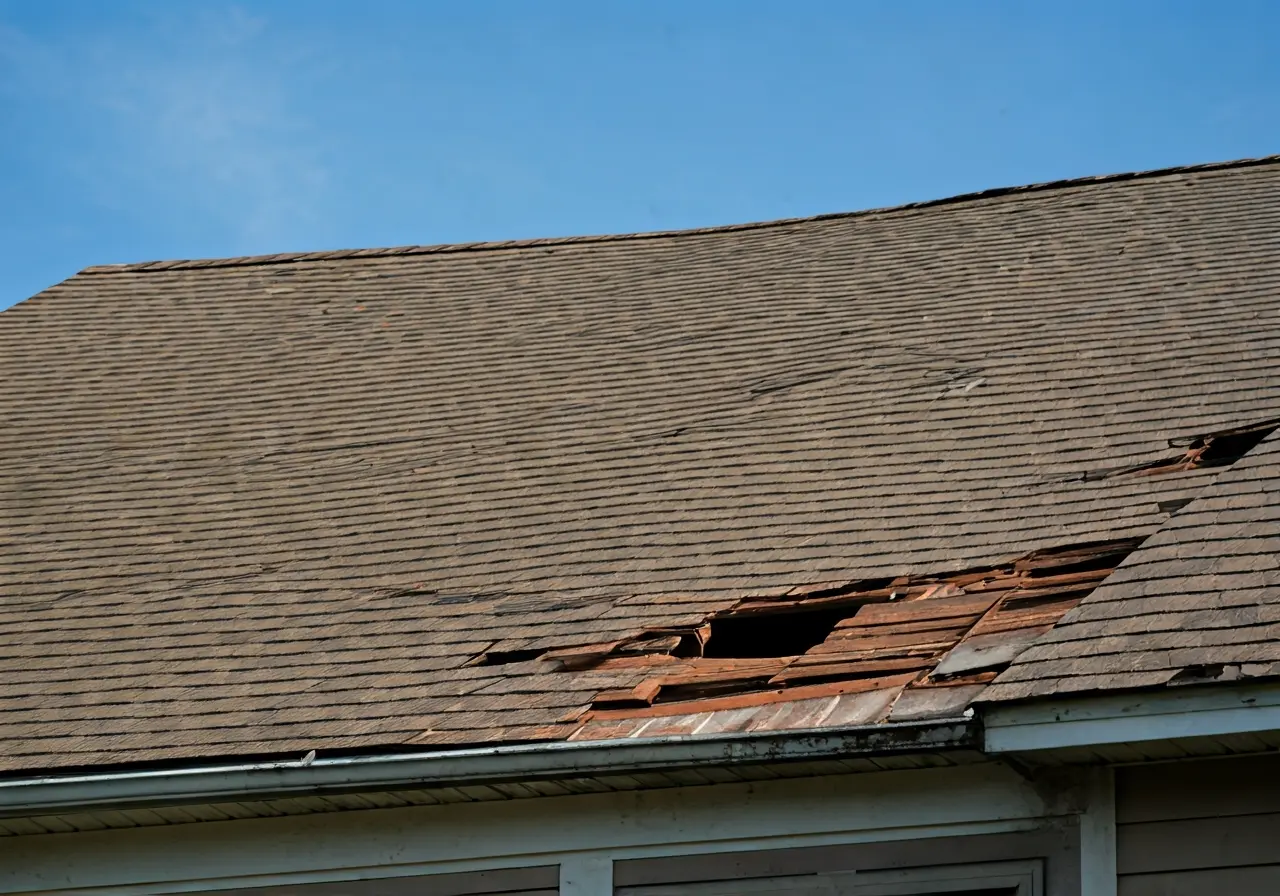
Look for signs of visible damage, such as cracked, curled, or missing shingles. If you notice any leaks or water damage inside your home, it may indicate more extensive roof issues that require attention.
Granule loss is another indicator of roof wear. Over time, you might find granules accumulating in your gutters, or you may notice dark patches on your roof. This is a sign that the shingles are deteriorating, which can compromise the roof’s effectiveness against rain and other elements.
If you find yourself frequently repairing parts of your roof, it can be more economical to replace the entire roof rather than patching it up. Continuous repairs can indicate that your roof’s overall integrity is compromised, and a full replacement may provide a more long-term solution.
Weather Conditions in Lynnwood
Lynnwood’s climate, with its frequent rain and occasional storms, can take a toll on your roof. Severe weather conditions can accelerate wear and tear, making it important to regularly assess the roof’s condition.
Additionally, the impact of heavy rain over time can lead to leaks or even structural damage if proper drainage is not maintained. It’s crucial to ensure your gutter systems are functioning correctly to prevent water from pooling on your roof.
High winds accompanying storms in Lynnwood can also lead to shingle blow-offs. Regular maintenance checks are recommended after severe weather events to catch any damage early.
Energy Efficiency and Insulation
Consider whether your roof supports good insulation. A failing roof can lead to increased energy bills due to poor temperature regulation inside your home. Replacing your roof can improve energy efficiency.
Modern roofing materials are designed to enhance energy efficiency. For instance, reflective shingles prevent solar heat from entering the home, which can significantly reduce cooling costs. Homeowners exploring eco-friendly options might consider installing green or cool roofs.
Inspect Regularly
Having regular inspections by a professional can help identify issues early. This proactive approach not only extends the life of your roof but also provides peace of mind as you prevent costly repairs.
Homeowners should ideally get their roofs inspected at least twice a year, ideally in the spring and fall. This timing helps address any damage from the previous season and prepare the roof for upcoming weather conditions.
During inspections, look out for rust spots on metal roofs, and ensure there are no punctures or tears in the material. Even minor issues like these can lead to significant problems if left unaddressed.
Making the Decision for a Roof Replacement
In conclusion, keeping an eye on the condition of your roof, understanding its age, and recognizing the impact of weather are essential to making informed decisions about roof replacement. Regular inspections and considering energy efficiency can also help extend your roof’s lifespan and ensure your home remains protected.
Queen Anne Seattle Solar Installation | Pinnacle Roofing
Seattle, WA